Mileage, Condition, and Trim

Samir Osman | Co-Owner & AMVIC-Licensed Wholesaler, DriveOffer
June 22, 2026Updated September 9, 2026
A lit instrument cluster shot through the open driver's door with the odometer sharp and the rest of the dashboard falling away out of focus
Article summary
- A commonly used benchmark is roughly 15,000-20,000 km driven per year; mileage well below that range helps your value, while well above it lowers the offer due to added wear.
- Appraisers grade condition in tiers (clean / average / rough); over-stating it backfires because the actual condition is confirmed at appraisal and the offer gets revised.
- Trim level and factory options can swing value by thousands of dollars, and the gap shows up most on the equipment buyers actually want.
- In Alberta, winter-friendly features like AWD and remote start carry extra local demand and can add to your value.
- Be honest about mileage and condition up front so your final offer matches what you described with no surprises.
Mileage
The average car in Canada covers roughly 15,000 to 20,000 km a year. Well below that average is a plus; well above it pulls the value down, because higher mileage means more wear and shorter remaining life.
The number where it starts to hurt
There is a point where mileage stops being a detail and becomes the thing a buyer reacts to. In our own buying that is around 130,000 kilometres. Past it a car is measurably harder to sell on, and an offer reflects that rather than the odometer reading on its own.
"Highway kilometres" is not a discount
The most common thing sellers say about a high odometer is that the distance was easy: highway driving, long steady runs, no city stop-start. It is often true, and it does not change the appraisal. Nobody pricing a car at volume has a way to verify how the kilometres were accumulated, so nobody prices for it.
Thirty years on an appraisal desk puts it more bluntly than that. Kilometres are kilometres.
Lars Sahlen spent thirty years appraising used cars and ranks the inputs bluntly. Age first, then distance, then condition, then history. Two cars of the same age separated by 14,000 kilometres are, in his words, the biggest difference on the lot. That is a wider gap than most of the features owners expect to be paid for.
Condition
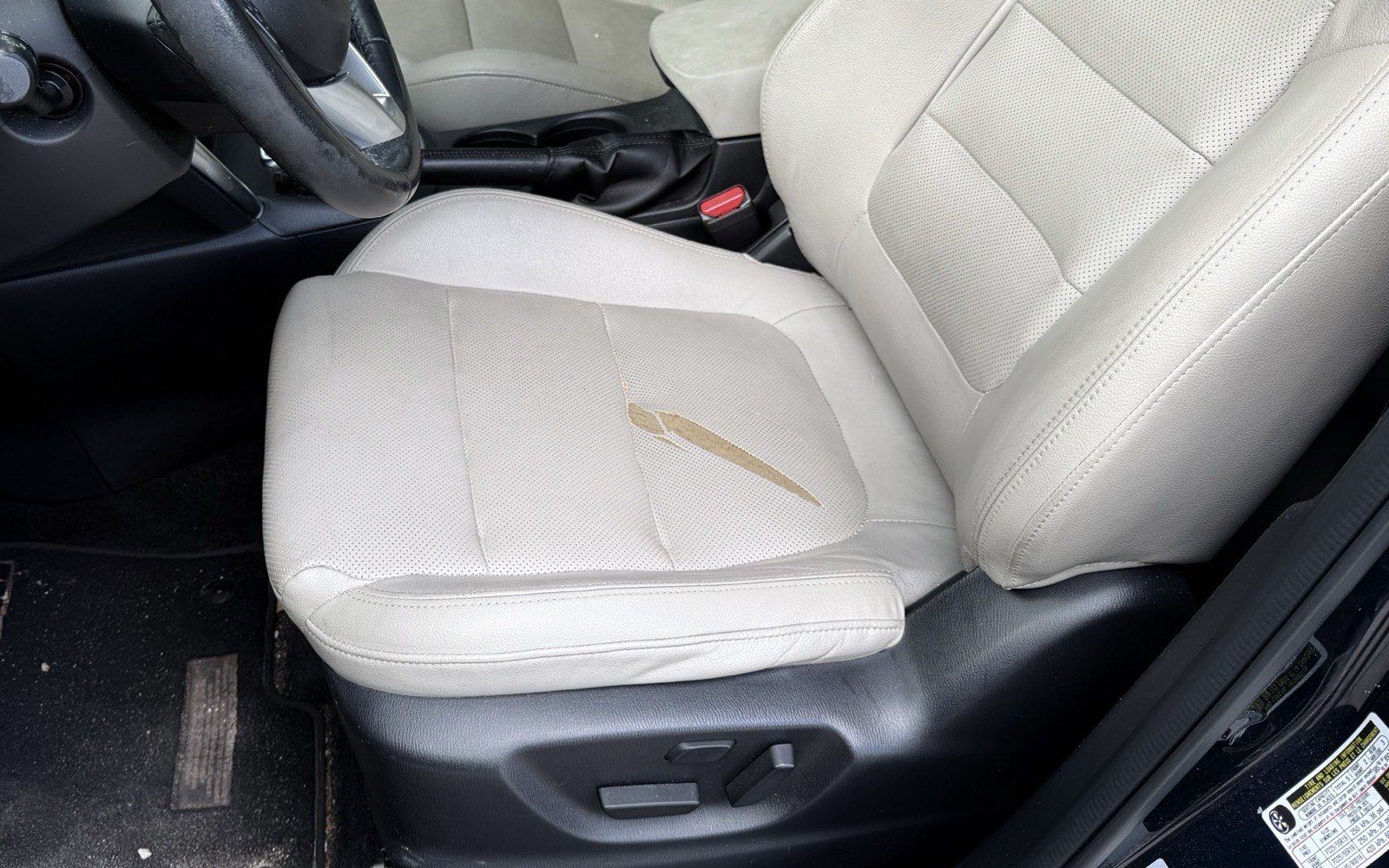
Buyers and appraisers think in tiers: from clean and well cared for, to average with normal wear, to rough with dents, mechanical issues, or interior damage. Honest condition matters: it's verified at inspection, so over-stating it just leads to a revised offer.
Trim and options
Trim can swing value by thousands. All-wheel drive, a sunroof, leather, a tow package, and driver-assist tech all add up, especially the features that are in demand locally, like AWD and remote start for Alberta winters.
What trim does not do is act as a bonus on top of a base price. An appraiser looks your exact trim up as its own vehicle, with its own value, rather than starting from the cheapest version and adding for equipment.
That distinction cuts both ways for a seller. Quoting a listing for a higher trim than yours proves nothing about your car. It is also why your own trim is worth stating exactly rather than roughly. A VIN settles the question in one step, which is why an accurate offer asks for one.
What Lars Says
Lars spent thirty years appraising used cars and has no stake in what anybody pays for yours, which is why he is the right person on this particular question. His position on the odometer is that the story behind the kilometres does not survive contact with an appraisal: nobody pricing cars at volume can verify how they were accumulated, so nobody pays for the explanation. Trim he treats the same way, as its own vehicle with its own value rather than a base car with extras added. Neither answer is what a seller wants to hear, and both are what the number is actually built from.

Lars Sahlen
Automotive industry veteran, 30+ years in sales, service, reconditioning and operations
Hear it in the interviewFrom our experience: Buying vehicles across the Edmonton area, we appraise mileage, condition, and trim the same way local registries and inspections verify them, so the offer you see reflects how Alberta buyers actually value a car.
Ready to skip the hassle?
Tell us about your car and a DriveOffer specialist will prepare your free offer. No obligation, no haggling.
Frequently asked questions
- Is my car worth less if it's over the average kilometres for its age?
- Generally yes. Higher mileage means more wear and a shorter remaining service life, which appraisers factor into the value. A commonly used benchmark is roughly 15,000-20,000 km per year, so a 5-year-old car around 75,000-100,000 km is considered typical. Being meaningfully above that range tends to pull the offer down, while being below it can help.
- What condition tier does a car with minor scratches and normal wear fall into?
- Light cosmetic wear, like small scratches, minor stone chips, and a tidy interior, usually lands in the 'average' tier rather than 'clean.' The 'clean' tier is reserved for vehicles that are well cared for with no notable cosmetic or mechanical issues. Dents, mechanical problems, or worn interiors push a car toward the 'rough' tier.
- Does adding aftermarket accessories increase my car's trade value?
- Usually not much. Value is driven mostly by the factory trim and original options buyers recognize, such as AWD, leather, a sunroof, or a tow package. Aftermarket add-ons rarely return their cost and can sometimes complicate an appraisal, so they're best valued for your own enjoyment rather than resale.
- Why does my final offer change if I describe my car's condition too generously?
- Because the actual condition is confirmed when the car is appraised before the sale completes, an over-stated description simply leads to a revised offer once the real condition is seen. Describing mileage, wear, and any issues accurately up front keeps the final number aligned with your description. Honest details save a step and avoid disappointment. (This appraisal check is separate from any government inspection, which Alberta does not require to privately sell an already-registered in-province vehicle.)
Where this came from
This article draws on our own interviews. Each link opens the transcript at the part it came from.
- There is no mileage where things start to break · Rick Carter, Owner, South Riding Automotive, and ASE-certified master technician · Rick Carter, September 12, 2026
- What actually moves a valuation: age, miles, then condition · Lars Sahlen, Automotive industry veteran, 30+ years in sales, service, reconditioning and operations · Lars Sahlen, September 9, 2026
- Where mileage starts to cost you · Samir Osman, Co-Owner & AMVIC-Licensed Wholesaler, DriveOffer (Edmonton, AB) · Samir Osman, September 6, 2026
Recent articles
Vehicle Value
What Affects Your Car's Value in Alberta
What moves the number, what does not, and how to predict yours.
Vehicle Value
How Car Offers Are Calculated
How we work out a fair offer.
Vehicle Value
How an Accident on Your Carfax Affects Your Car's Value
What a claim on the record actually costs you, in dollars.
Vehicle Value
Why a Car Offer Can Change After the Inspection
What gets checked, and what actually moves the number.